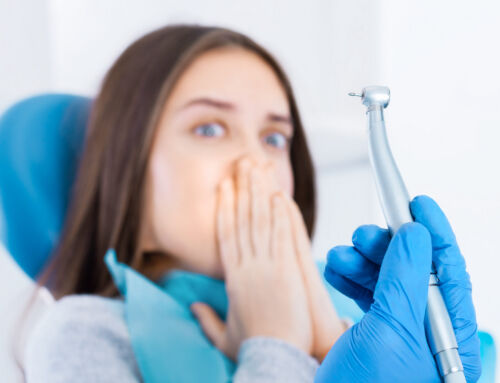
It’s 11 PM on a Sunday. Your tooth is throbbing. You’re wondering: Do I need to find an emergency dentist right now, or can this wait until Monday?
It’s not always obvious.
Some toothaches are uncomfortable but not urgent. Others are your body telling you something is seriously wrong and getting worse by the hour.
Here’s how to tell the difference.
Signs it CAN wait until regular hours
These situations are uncomfortable but not emergencies. Schedule an appointment soon, but you don’t need to find someone tonight.
Mild, dull ache that comes and goes. Sensitivity to temperature or pressure that’s annoying but tolerable. This could be early decay, a cracked filling, or mild inflammation. Worth checking out, but not urgent.
Sensitivity after recent dental work. If you just had a filling, crown, or cleaning in the last week or two, some sensitivity is normal. Your tooth has been through something and needs time to settle. If it’s getting worse instead of better after two weeks, call your dentist.
Pain only when you bite down on something hard. This often indicates a crack or a problem with your bite. It needs attention, but waiting a day or two won’t change the outcome.
Gum soreness without swelling. If your gums are tender but not visibly swollen, it’s likely early inflammation or irritation. Rinse with warm salt water and call during business hours.
Signs you need care NOW
These are the situations where waiting can make things significantly worse. Find an emergency dentist or head to urgent care.
Severe, constant pain that won’t let up
If the pain is intense, unrelenting, and not responding to over-the-counter pain relievers, something is actively wrong. This is your body’s alarm system. Don’t ignore it.
Severe pain often indicates an infection, an abscess, or a tooth that’s dying. These don’t get better on their own. They get worse.
Swelling in your face, jaw, or neck
Swelling means infection. And infections in your mouth can spread.
If you have visible swelling in your cheek, jaw, or under your chin, especially if it’s accompanied by pain, fever, or difficulty swallowing, this is urgent. Dental infections can spread to the airway or bloodstream. That’s not hyperbole. It happens.
Don’t wait until Monday. Get seen today.
Fever along with tooth pain
A fever means your immune system is fighting something. If that something is related to your tooth pain, you likely have an infection that’s spreading beyond the tooth itself.
Fever + tooth pain = urgent care, not wait-and-see.
Pus or a bad taste in your mouth
If you see pus draining from your gum, or if you have a foul, salty taste that won’t go away, you have an active infection. This needs antibiotics and treatment. Delaying gives the infection more time to spread.
A tooth that got knocked out or knocked loose
Time matters here. A knocked-out adult tooth can sometimes be saved if you get to a dentist within an hour.
If the tooth is completely out, handle it by the crown (the white part), not the root. If it’s clean, try to place it back in the socket and hold it there. If that’s not possible, put it in milk or hold it in your cheek. Get to a dentist immediately.
If the tooth is loose but still attached, don’t wiggle it. Bite down gently on something soft to stabilize it and get seen as soon as possible.
A broken tooth with sharp edges or exposed nerve
A small chip can usually wait. But if a significant piece of tooth has broken off, especially if you can see pink or red tissue inside the tooth or if it’s extremely sensitive to air, the nerve may be exposed.
Exposed nerves are painful and vulnerable to infection. Cover the area with dental wax or sugarless gum if you have it, avoid chewing on that side, and get seen within 24 hours.
Uncontrolled bleeding after an extraction or injury
Some bleeding after a tooth extraction is normal. But if you’re soaking through gauze, if the bleeding won’t slow down after 30 minutes of firm pressure, or if you’re bleeding heavily from a mouth injury, you need care.
What to do while you’re waiting
If you’re in pain and can’t get to a dentist immediately, here’s what can help:
Over-the-counter pain relievers. Ibuprofen (Advil, Motrin) is often the most effective for dental pain because it reduces inflammation. Follow the dosing instructions. Don’t exceed the maximum dose.
Cold compress. 20 minutes on, 20 minutes off. This helps with swelling and can numb the area slightly.
Warm salt water rinse. Half a teaspoon of salt in 8 ounces of warm water. Swish gently. This helps clean the area and can reduce bacterial load.
Elevate your head. If you’re lying down, blood pools in your head and increases pressure. Propping yourself up can reduce throbbing.
Avoid hot, cold, and sweet foods. If the tooth is sensitive, don’t aggravate it.
Don’t put aspirin directly on the tooth. This is an old folk remedy that doesn’t work and can burn your gum tissue.
When to go to the ER
Emergency rooms aren’t equipped for dental treatment. They can’t do fillings, extractions, or root canals. But they can manage life-threatening situations.
Go to the ER if you have:
- Swelling that’s affecting your ability to breathe or swallow
- High fever (over 101°F) with facial swelling
- Uncontrolled bleeding you can’t stop
- Trauma to the face or jaw with possible fractures
For everything else, an emergency dentist is the right call. They have the tools and training to actually fix the problem, not just manage symptoms.
FAQs
Can a toothache go away on its own?
Sometimes the pain subsides temporarily, but that doesn’t mean the problem is gone. A tooth that stops hurting suddenly after days of severe pain may actually be worse, not better. It could mean the nerve has died. The infection is still there, just quieter for now.
How do I find an emergency dentist?
Call your regular dentist first. Many practices have after-hours lines or can see you same-day for emergencies. If your dentist isn’t available, search “emergency dentist [your city]” or call your insurance company’s nurse line for guidance.
Is it worth going to urgent care for a toothache?
Urgent care can prescribe antibiotics and pain medication, which can help manage an infection until you can see a dentist. But they can’t treat the underlying problem. If it’s the middle of the night and you have signs of serious infection, urgent care is better than nothing.
What if I can’t afford emergency dental care?
Ask about payment plans. Many emergency dentists will work with you rather than turn you away. Dental schools often have reduced-cost clinics. Community health centers may offer sliding-scale fees. An untreated infection is more expensive (and more dangerous) than treating it now.
How do I prevent dental emergencies?
Regular checkups catch small problems before they become big ones. Wear a mouthguard if you play sports. Don’t use your teeth as tools. And if something feels off, don’t wait to get it looked at.
When in doubt, call
If you’re not sure whether your toothache is an emergency, call a dentist and describe what’s happening. We’d rather hear from you and tell you it can wait than have you delay when you shouldn’t.
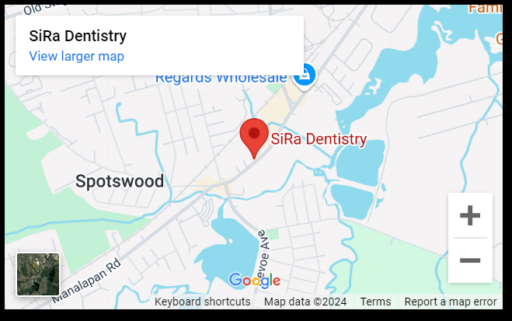
At SiRa Dentistry in Spotswood, NJ, we make time for patients who are in pain. If you’re dealing with something urgent, let us know. We’ll get you in.
Call 732-454-7472 or email [email protected]. If it’s after hours and you’re experiencing a true emergency, follow the prompts for our emergency line.